Why Air Coolers Are Better Than ACs for Indian Summers
Every year, as temperatures soar across the subcontinent, millions of Indian families face the same pressing question — should we buy an air cooler or invest in an air conditioner? It is a decision that touches on budget, health, comfort, and long-term practicality. For decades, the air conditioner has been aggressively marketed as the only serious home cooling solution. But for the vast majority of Indian households — particularly those in tier-2 and tier-3 cities, towns, and rural areas — an air cooler is not just a cheaper option. It is genuinely the smarter, healthier, and more practical choice for surviving Indian summers.
In this blog, we explore exactly why an air cooler outperforms an air conditioner across every parameter that truly matters to Indian families.
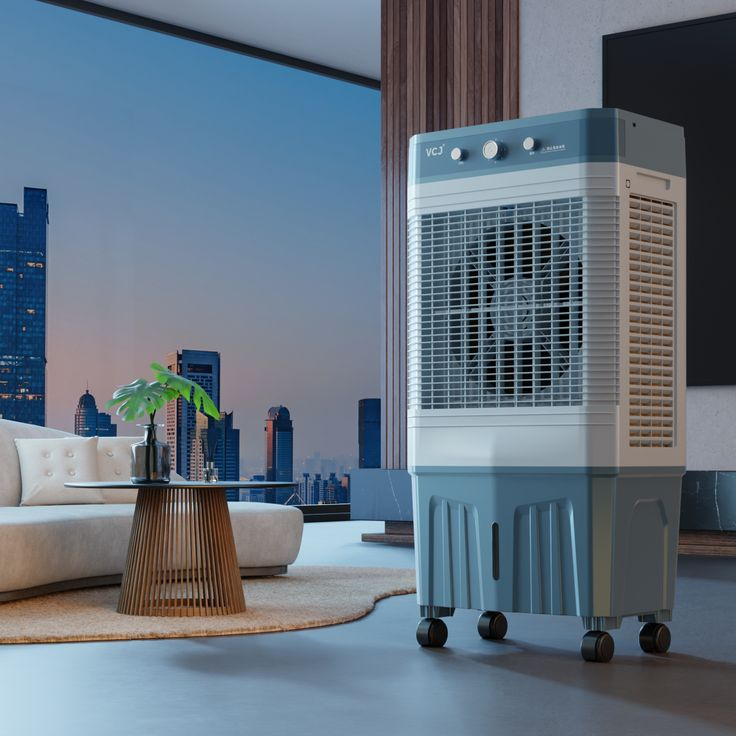
Understanding How an Air Cooler Works
Before comparing the two appliances, it helps to understand what makes an air cooler and an air conditioner fundamentally different machines.
An air cooler — also called an evaporative cooler or desert cooler — works on a beautifully simple principle rooted in nature. It draws in warm outdoor air, passes it through water-soaked cooling pads, and pushes out cool, moist, refreshing air into your room. No chemicals, no refrigerants, no compressors. Just water, a fan, and the physics of evaporation.
An air conditioner, on the other hand, compresses and circulates a chemical refrigerant to absorb heat from inside a sealed room and release it outside. It is an energy-intensive closed-loop system that continuously recycles the same indoor air.
This fundamental difference in how cooling is achieved explains almost every advantage an air cooler holds over an air conditioner — from cost and health to environment and practicality.
1. An Air Cooler Costs a Fraction of What an AC Does

Let us begin with the most important factor for the average Indian family — price.
A decent split air conditioner from a reputable brand costs anywhere between ₹35,000 and ₹70,000 or more, depending on the tonnage and star rating. Add installation charges of ₹3,000 to ₹5,000, an annual maintenance contract, and a voltage stabiliser, and the total cost of ownership climbs even higher before the machine cools a single room.
A high-quality air cooler, by comparison, is available for as little as ₹5,000 to ₹15,000 for a model powerful enough to cool a medium to large room effectively. Even premium air coolers with advanced features like honeycomb pads, auto-fill systems, and remote controls rarely exceed ₹20,000 to ₹25,000.
For a budget-conscious Indian family — and in India, that is most families — this price difference alone makes the air cooler the clear winner. Effective, reliable cooling at a fraction of the cost. The money saved can go toward something that actually matters to the family.
2. Electricity Bills — The Real Difference Begins Here
If the purchase price of an AC does not stop you, the monthly electricity bill certainly should.
A standard 1.5-ton split air conditioner consumes between 1,200 and 2,000 watts of electricity per hour. Running it for just 8 hours a day through a 4-month Indian summer adds up to an enormous number of units — and a correspondingly painful electricity bill every month.
An air cooler, in sharp contrast, consumes between 100 and 400 watts depending on the model and fan speed. That is roughly one-fifth to one-tenth the power consumption of a comparable air conditioner. For a family running their air cooler 8 to 10 hours daily through April, May, June, and July, the electricity savings can easily amount to ₹3,000 to ₹6,000 per month.
Over a full Indian summer, a good air cooler can save your household ₹12,000 to ₹25,000 compared to running an AC. Multiply that over the 7 to 10-year lifespan of the appliance and the financial case for an air cooler becomes absolutely overwhelming.
3. Air Coolers Add Healthy Moisture — Perfect for Dry Indian Summers

Here is something that air conditioner salespeople rarely tell you. Air conditioners do not just cool the air — they actively strip moisture out of it. The refrigeration cycle removes humidity from indoor air as part of the cooling process, which is why rooms cooled by an AC often feel cold but also uncomfortably dry and artificial.
This is a serious issue during Indian summers, particularly across northern, central, and western India where the seasonal heat is predominantly dry. The combination of harsh outdoor heat and AC-induced indoor dryness can cause dry and cracked skin, severely irritated eyes, persistent throat discomfort, worsening of sinusitis, and aggravation of respiratory conditions like asthma and allergies.
An air cooler works in the opposite direction. Because it cools the air through water evaporation, it naturally adds a healthy level of humidity to your indoor environment. This moisture is not just comfortable — it is genuinely beneficial for your skin, your respiratory system, and the overall liveability of your home.
For regions like Rajasthan, Uttar Pradesh, Madhya Pradesh, Gujarat, and large parts of Maharashtra that experience intensely dry heat during Indian summer months, an air cooler is demonstrably better for your family’s health than running an air conditioner all day and night.
4. No Installation Required — Just Plug In and Stay Cool
Installing a split air conditioner is a major undertaking. It requires drilling holes through walls, mounting an outdoor compressor unit, running copper piping and electrical conduits, and calling in a certified technician. The process can take half a day, disrupt your home, and may not even be permitted in a rented apartment where permanent modifications to the property are not allowed.
An air cooler requires none of this. You take it out of the box, fill the water tank, place it near a window or ventilated area, plug it into any standard power outlet, and it is cooling your room within minutes. There is no installation cost, no technician visit, no drilling, and absolutely no damage to your walls or property.
For the millions of Indian families living in rented homes, paying guest accommodations, or smaller urban apartments, the portability and effortless setup of an air cooler makes it the only truly practical choice. Move it from the bedroom to the living room as the day progresses. When you shift homes, your air cooler comes right along with you.
5. Air Coolers Are Kinder to the Environment
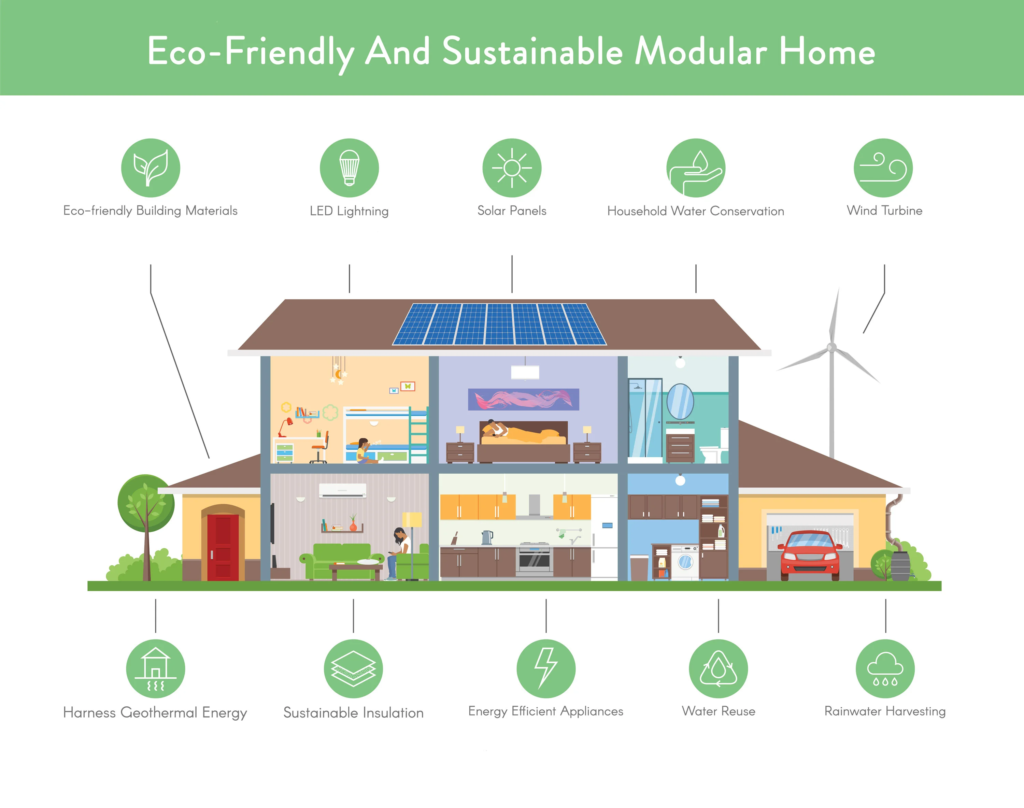
India has made a strong national commitment to combating climate change, and every household decision — including which cooling appliance you choose — has an environmental impact.
Air conditioners use chemical refrigerants that are powerful greenhouse gases. When these refrigerants leak over time or are improperly disposed of at end-of-life, they contribute significantly to global warming and ozone layer depletion. The enormous electricity consumption of AC units also means a much larger carbon footprint, especially in states where electricity still relies heavily on coal-based power generation.
An air cooler uses only water and electricity to produce cooling. It emits no refrigerants, produces no chemical by-products, and because of its dramatically lower power consumption, it places a far smaller burden on the electricity grid and the environment. Choosing an air cooler over an AC is a small but genuinely meaningful step toward a more sustainable and responsible lifestyle for your family.
6. Maintenance Is Simple, Affordable, and Stress-Free
Ask any air conditioner owner about servicing and you will hear a familiar story — annual AMC charges, gas top-ups every few years, compressor issues, finding a certified technician, waiting for spare parts. Annual AC maintenance can cost ₹1,500 to ₹5,000, and major repairs can set you back significantly more.
Maintaining an air cooler is refreshingly uncomplicated. Clean the honeycomb or wood wool cooling pads every two to three weeks during peak usage, refill the water tank regularly, and wipe down the exterior to keep dust from accumulating. Cooling pads can be replaced for ₹200 to ₹800 when they wear out — and that is largely the extent of what your air cooler requires.
At MehulAir Coolers, our air coolers are designed with easy maintenance at the forefront. Removable panels, accessible water tanks, and user-replaceable pads ensure that any family can keep their air cooler performing at its best without depending on a technician for routine upkeep.
7. Air Coolers Are Built for Indian Climate Conditions

This point is perhaps the most underappreciated one in the entire debate. An air cooler is not just a cheaper alternative to an air conditioner — it is actually the superior cooling technology for a large portion of India’s geographic and climatic profile.
Evaporative cooling — the technology behind every air cooler — works most effectively in hot and dry conditions. This is precisely the climate experienced across most of northern, central, and western India during the peak summer months of March through June. In cities like Jaipur, Lucknow, Nagpur, Ahmedabad, Bhopal, Kanpur, Agra, Meerut, Indore, and hundreds of smaller towns in between, dry and fierce summer heat is the norm — and in these conditions, a well-built air cooler delivers outstanding natural cooling that comfortably rivals what an air conditioner can achieve at a tiny fraction of the running cost.
Even in cities that experience some level of humidity during pre-monsoon months, modern air coolers with multi-stage cooling and high-efficiency pads continue to perform well and provide meaningful relief from the heat.
8. Fresh Air Circulation — Not Stale Recycled Air
One of the most underrated advantages of an air cooler is the quality of air it produces. An air cooler continuously draws in fresh outdoor air, cools it through the evaporation process, and circulates it throughout your room. The result is a constant, natural breeze-like airflow that feels genuinely refreshing — not the cold, stale, recycled air characteristic of a tightly sealed, AC-cooled room.
Air conditioners, when doors and windows are kept tightly shut, gradually cause indoor air to feel stuffy and lifeless. The absence of fresh air exchange leads to a slow build-up of indoor pollutants, elevated carbon dioxide levels, and a stuffy, artificial atmosphere that many people find uncomfortable over extended periods.
An air cooler by design promotes healthy, continuous air exchange and keeps your indoor environment feeling naturally fresh throughout the day and night.
9. Air Coolers Work Even During Power Cuts
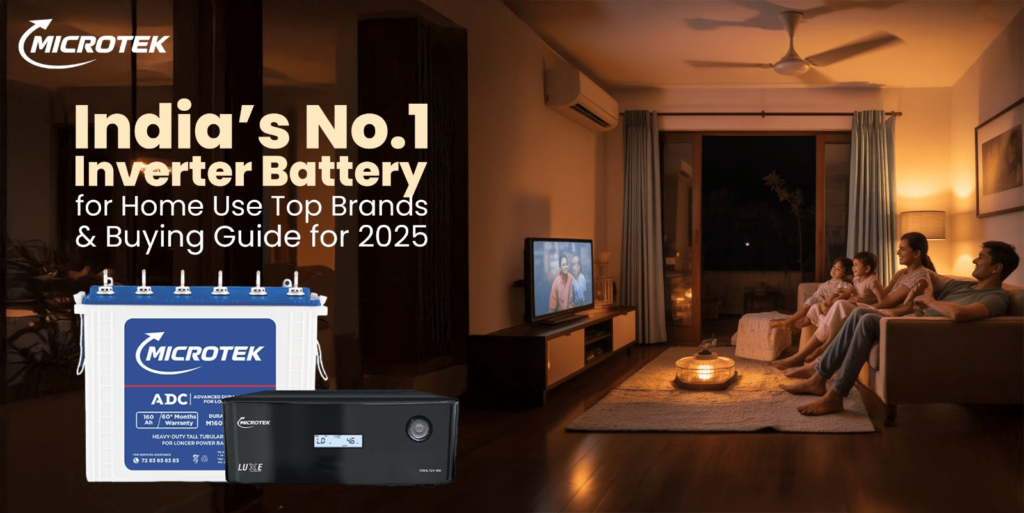
Despite years of infrastructure development, power cuts and voltage fluctuations during peak Indian summer months remain a lived reality for tens of millions of households across the country. When demand on the electricity grid spikes during scorching afternoons, load shedding affects even urban areas.
Air conditioners, with their high power draw and sensitive compressors, are particularly vulnerable to voltage fluctuations and typically cannot run on a standard home inverter due to their enormous power requirement. This means that when the power cuts out on the hottest afternoon of the summer, your AC is completely useless.
An air cooler, however, operates at such a low power draw that most standard home inverter systems can run it comfortably for several hours during a power cut. This means your family continues to get relief from the heat even when the grid supply fails — a practical advantage that is enormously valuable in the Indian context and one that an air conditioner simply cannot match.
10. Cooling That Every Indian Family Can Afford

Perhaps the most important reason of all to choose an air cooler is simply this — staying cool and comfortable during a brutal Indian summer should not be a luxury reserved for the wealthy. Every family deserves relief from the heat, regardless of their income.
Air conditioners have historically been accessible only to upper-middle-class and affluent households in India’s larger cities. An air cooler changes that entirely. It democratises cooling and puts effective, reliable, and healthy home cooling within the reach of families across every income level — from a two-room flat in Meerut to a home in a small town in Maharashtra to a rural household in Madhya Pradesh.
At MehulAir Coolers, this belief has been at the heart of our brand since the very first day. We started in 2020 with a mission to give Indian families a reliable and affordable air cooler that truly works — and with a 4.8-star average customer rating built over thousands of honest reviews, we are proud to say that our families agree.
Conclusion
The debate between an air cooler and an air conditioner is not a close contest for most Indian households. When you honestly weigh the purchase price, monthly electricity bills, health benefits, environmental impact, ease of maintenance, suitability to Indian climate conditions, and real-world practicality, the air cooler wins decisively across almost every dimension.
An air conditioner has its place in coastal cities with year-round high humidity, or in premium commercial settings that demand tightly sealed, humidity-controlled environments. But for the hundreds of millions of Indian families living through dry, blazing summers in cities, towns, and villages across the country, an air cooler is not a compromise or a second-best option.
It is the smarter choice. The healthier choice. The more sustainable choice. And the most genuinely Indian choice.
Stay cool. Stay smart. Choose MehulAir Coolers.
Hi, this is a comment.
To get started with moderating, editing, and deleting comments, please visit the Comments screen in the dashboard.
Commenter avatars come from Gravatar.