How to Choose the Perfect Air Cooler for Your Room
Let me be honest with you.
I have seen people walk into stores, pick up the flashiest-looking air cooler for room cooling, bring it home, and then complain all summer that it does not cool properly. Not because the cooler was bad. But because it was the wrong cooler for their specific room.
Choosing the right air cooler for room use is not complicated — but it does require knowing a few things upfront. Room size, local climate, the type of cooling pads, water tank capacity, power consumption — these are the factors that actually determine whether your cooler will keep you comfortable on a 45°C afternoon in May, or just push warm air around and leave you sweating.
This guide will walk you through everything you need to know to pick the perfect air cooler for room cooling — the way someone who has spent years in this industry would explain it to a friend.
First, Understand What an Air Cooler Actually
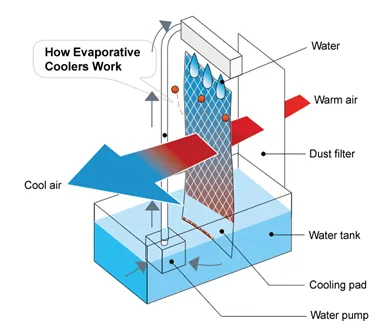
Before you start comparing specifications, it helps to understand the basic science behind how an air cooler for room use actually works — because this understanding will guide every decision you make.
An air cooler for room cooling works on the principle of evaporative cooling. A fan pulls warm air from outside through water-soaked cooling pads. As the air passes through these wet pads, water molecules evaporate and absorb heat from the air, bringing down the temperature by anywhere between 5°C and 15°C depending on the conditions outside. This cooler, moistened air is then pushed into your room by the fan.
This is why an air cooler for room use works brilliantly in dry heat — like the summers in Delhi, Jaipur, Nagpur, Lucknow, or Bhopal — and works less effectively in already-humid coastal cities like Mumbai or Chennai. The drier the outdoor air, the more effectively water evaporates from the pads, and the cooler the air that enters your room.
Knowing this one thing — that humidity is the enemy of evaporative cooling — will prevent a lot of disappointment.
Step 1 — Measure Your Room Before Anything Else

This is the step most people skip — and it is the single biggest reason why people end up with the wrong air cooler for room cooling.
Every air cooler for room use is rated for a specific coverage area, measured in square feet. An underpowered cooler will struggle to bring down the temperature of a large room, running constantly at maximum speed while barely making a dent in the heat. An overpowered cooler in a small room will make the space too humid and cold.
Here is a simple guide to match your room size to the right air cooler for room capacity:
Small rooms (up to 150 sq ft) — a bedroom, a small study, or a single room in a paying guest accommodation. A personal or tower-type air cooler for room use with an airflow of 500 to 1000 cubic metres per hour (CMH) is more than sufficient. These are compact, portable, and energy-efficient.
Medium rooms (150 to 300 sq ft) — a standard master bedroom, a medium living room, or a small office cabin. Look for a desert or window air cooler for room with an airflow rating of 1000 to 2000 CMH and a water tank capacity of 20 to 40 litres.
Large rooms (300 to 500 sq ft) — a spacious living room, a large hall, or an open-plan home office. You will need a high-capacity air cooler for room with airflow above 2000 CMH and a tank capacity of 40 to 60 litres or more.
Open or semi-open spaces — a verandah, a garage workshop, a wedding mandap, or a shop floor. Industrial-grade air cooler for room or space cooling, with airflow above 3000 CMH, is what you need here.
The formula for calculating the right airflow for your air cooler for room is simple:
Required CMH = Room Area (sq ft) × Ceiling Height (ft) × Air Changes per Hour ÷ 35.3
For most homes, aim for 20 to 30 air changes per hour for comfortable cooling. Your cooler’s product page or box will always list its CMH rating — match it to your calculation and you will never go wrong.
Step 2 — Choose the Right Type of Air Cooler for Room Use

There are four main types of air cooler for room use available in the Indian market, and each is suited for a different situation.
Personal Air Cooler A personal air cooler for room use is small, compact, and designed for individual use. It typically has a tank capacity of 10 to 20 litres and delivers airflow in the range of 500 to 800 CMH. If you want an air cooler for room use in your bedroom that you can keep right next to your bed, or if you live in a small rented room and need something portable that you can carry when you move, a personal cooler is the ideal choice. They are also the most affordable category, making them popular among students and working professionals.
Tower Air Cooler A tower air cooler for room is tall and slim — designed to save floor space while delivering better airflow than a personal cooler. Tower coolers are a great choice for medium-sized bedrooms and living rooms where floor space is limited. They look stylish, cool evenly, and many modern tower air cooler for room models come with remote controls, auto-fill connectivity, and multiple speed settings.
Desert Air Cooler This is the workhorse of the air cooler for room world. Desert coolers are large, high-capacity machines with tank sizes of 40 to 80 litres and airflow ratings that can exceed 4000 CMH. They are built for large rooms, halls, and semi-open spaces. If your living room or family gathering space is large and you experience genuinely dry summer heat, a desert air cooler for room will serve you far better than anything else at its price point.
Window Air Cooler A window air cooler for room is mounted permanently in a window opening, similar in installation to a window AC. It saves floor space entirely and draws in fresh outside air directly through the window, which actually improves its cooling efficiency. If you live in a home where you can dedicate a window to the cooler and do not want it occupying any floor space, a window air cooler for room is an excellent choice.
Step 3 — Pay Close Attention to Cooling Pad Quality

Nobody talks about cooling pads enough. And yet, the quality and type of cooling pad in your air cooler for room is one of the most important factors determining how well it actually cools.
There are two types of cooling pads commonly used in an air cooler for room in India today — wood wool (aspen) pads and honeycomb pads.
Wood Wool Pads are made from fine shavings of wood fibre packed together. They have been used in air cooler for room applications for decades and are effective in very dry climates. However, they tend to develop odour over time, collect dust and algae easily, and need to be replaced more frequently — typically every one to two seasons. They are also slightly less efficient at water retention compared to honeycomb pads.
Honeycomb Pads are made from cellulose or synthetic material formed into a hexagonal grid structure, similar to a beehive. They hold significantly more water per unit area, which means the air passing through them gets cooled more effectively. They last longer — typically three to five seasons with proper maintenance — and are far less prone to developing unpleasant odours. A modern air cooler for room with quality honeycomb pads will consistently outperform an older model with wood wool pads.
At Mehul Air Coolers, all our air cooler for room models come fitted with high-density honeycomb cooling pads as standard. We believe the quality of the pad should not be a premium upgrade — it should be a baseline expectation.
Our recommendation: Always choose an air cooler for room with honeycomb pads. If your existing cooler has wood wool pads, replacing them with honeycomb pads is one of the best upgrades you can make.
Step 4 — Water Tank Capacity Matters More Than You Think

The water tank capacity of your air cooler for room determines how long it can run continuously before you need to refill it. This is a practical consideration that directly impacts your comfort and convenience, especially if you run your air cooler for room through the night.
A small personal air cooler for room with a 10-litre tank might need a refill every 4 to 6 hours on high speed. A desert air cooler for room with a 60-litre tank can run for 12 to 16 hours before needing a top-up, making it far more convenient for overnight use in large rooms.
Beyond just the size of the tank, look for these features when evaluating water tank design in an air cooler for room:
Auto-fill connectivity — Some premium air cooler for room models come with an inlet connection point that allows you to connect the cooler directly to a water tap or pipeline using a hose. The cooler automatically maintains its water level without any manual intervention. This is an excellent feature if you want to run your air cooler for room all day during a heat wave without constantly monitoring the tank level.
Transparent water level indicator — A simple but invaluable feature. Being able to see the water level in your air cooler for room at a glance without opening the tank saves time and prevents the motor from running dry, which can cause damage.
Drain plug — Always check that your air cooler for room has an accessible drain plug at the bottom of the tank. At the end of summer, draining the tank completely before storing the cooler prevents algae and bacteria growth inside the tank during the off-season.
Step 5 — Check Power Consumption and Energy Efficiency
One of the greatest advantages of choosing an air cooler for room over an air conditioner is the dramatically lower electricity consumption. But not all air cooler for room models are equally efficient — and during a long summer of daily use, even a 50-watt difference in power consumption adds up to a meaningful difference in your electricity bill.
Most personal air cooler for room models consume between 100 and 200 watts. Tower coolers typically draw 150 to 250 watts. Desert air cooler for room models range from 150 to 400 watts depending on the motor size and fan speed selected.
When comparing air cooler for room options, look at the watt-per-CMH ratio. A cooler that delivers 3000 CMH of airflow at 200 watts is significantly more energy-efficient than one that delivers the same airflow at 350 watts. The lower the watts per unit of airflow, the more efficient your air cooler for room is.
Also check whether the air cooler for room has multiple speed settings. Running the cooler at medium speed instead of maximum on mildly hot days can reduce power consumption by 20 to 30 percent without a significant drop in cooling comfort.
Step 6 — Look for These Features in a Modern Air Cooler for Room
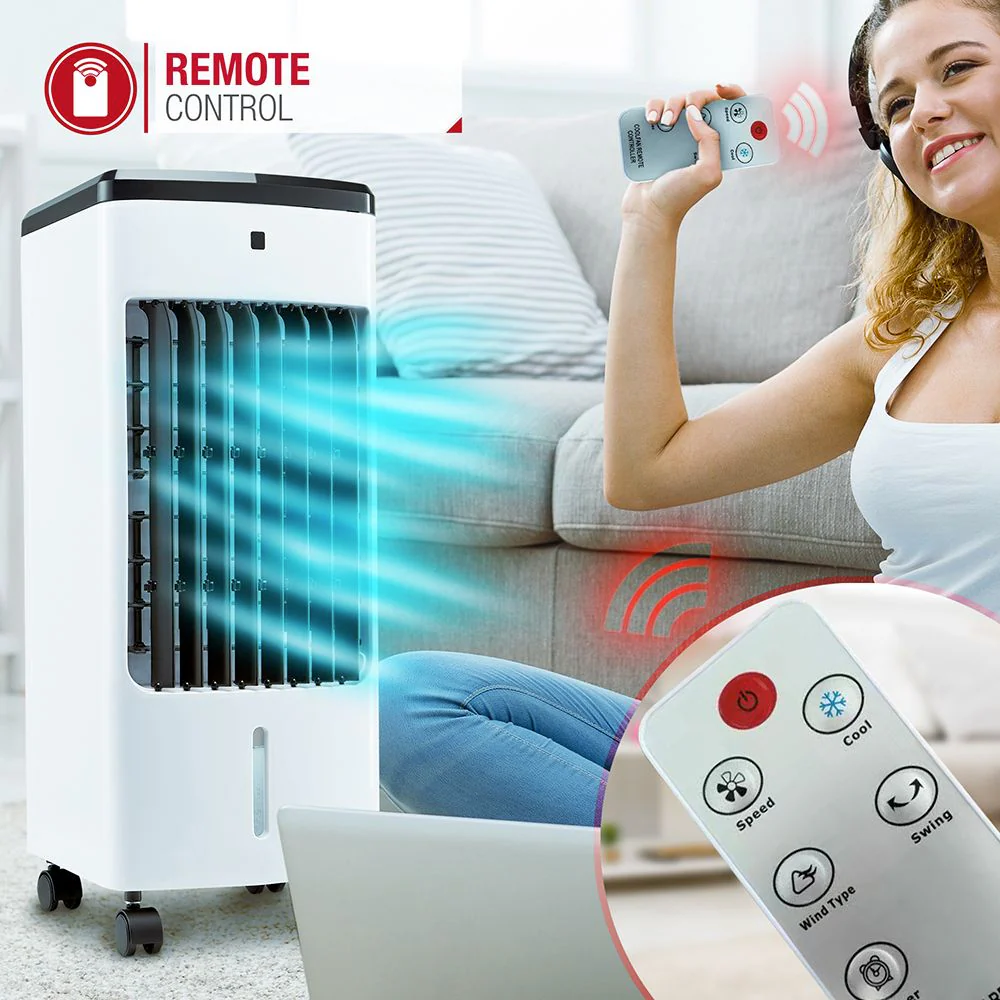
Modern air cooler for room models come with a range of features that significantly improve convenience, comfort, and value for money. Here are the ones genuinely worth paying attention to when choosing an air cooler for room for your home:
Remote Control — Being able to adjust fan speed, swing direction, and timer settings on your air cooler for room from across the room without getting up is a feature you will appreciate every single night.
Auto Swing Louvers — Louvers that automatically move left-right and up-down distribute cooled air evenly across the entire room instead of blowing it in one fixed direction. This makes a noticeable difference in how evenly comfortable your room feels.
Sleep Mode or Timer Function — A timer that automatically reduces fan speed or shuts off the air cooler for room after a set number of hours is excellent for overnight use. You can fall asleep in a cool room without worrying about the room becoming too cold or the tank running dry by 3 AM.
Inverter Compatibility — During Indian summers, power cuts are a real and frustrating issue. An air cooler for room that is inverter-compatible can run seamlessly on your home inverter during outages, ensuring uninterrupted cooling even when the grid supply fails.
Dust Filter — A built-in dust filter at the air intake of your air cooler for room prevents large dust particles and allergens from being circulated into the room along with the cooled air. This is especially useful in dusty environments or for family members with allergies or respiratory sensitivities.
Step 7 — Think About Placement and Ventilation
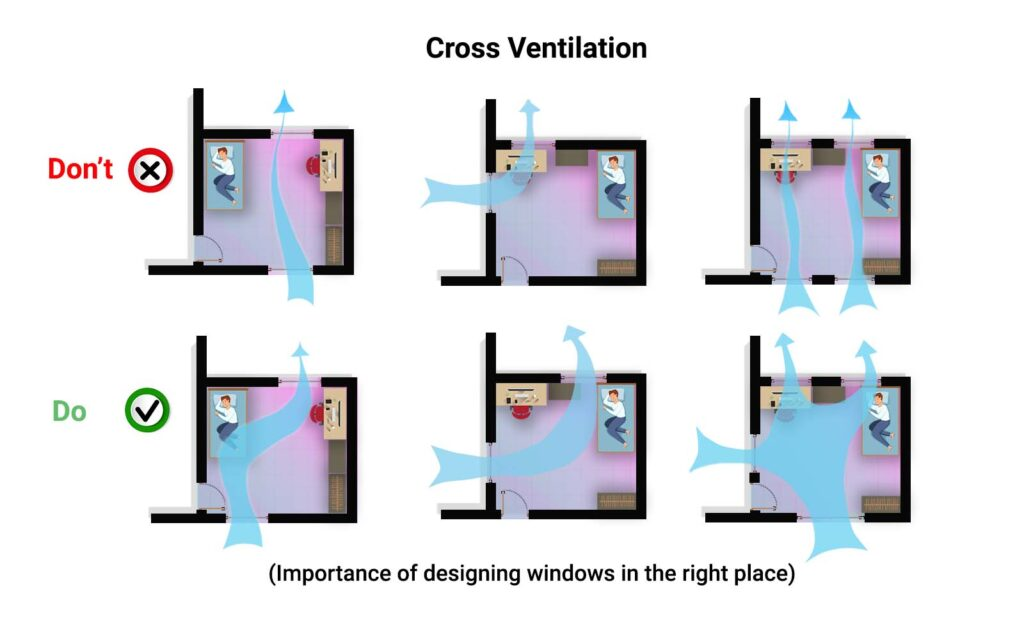
Even the best air cooler for room will underperform if it is placed incorrectly. Here is something most product manuals do not explain clearly enough.
An air cooler for room needs a source of fresh, warm, dry air on one side and an outlet for the humidified air it produces on the other. If you place your air cooler for room in a tightly sealed room with no ventilation, the humidity inside the room will rise quickly, the air will become damp and stuffy, and the cooling efficiency will drop dramatically.
The ideal setup for an air cooler for room is to place it near a window or door that can be kept partially open, allowing fresh outdoor air to feed into the cooler. Open another window or door on the opposite side of the room slightly — just enough to allow the humid exhaust air to escape. This cross-ventilation setup allows your air cooler for room to continuously pull in fresh dry air, cool it, and push out the warm humid air, maintaining maximum cooling efficiency throughout the day.
In contrast to an air conditioner, which requires a sealed room to function efficiently, your air cooler for room actually performs better with some ventilation — which also means fresher, healthier indoor air for your family.
A Quick Checklist Before You Buy
Before finalising your purchase, run through this checklist for any air cooler for room you are considering:
- Have you measured your room area and matched it to the cooler’s CMH rating?
- Is the cooler type (personal, tower, desert, window) appropriate for your space and lifestyle?
- Does the air cooler for room use honeycomb cooling pads rather than wood wool?
- Is the water tank capacity sufficient for overnight use without constant refilling?
- Is it inverter-compatible for uninterrupted cooling during power cuts?
- Does it come with a remote control, auto-swing, and timer function?
- Is the after-sales service and warranty support from the brand reliable?
Why Mehul Air Coolers Is the Right Choice
At Mehul Air Coolers, we have spent years perfecting the air cooler for room experience for Indian families. Every cooler we make is designed specifically for Indian summers — the kind of dry, punishing heat that hits northern and central India between March and July.
Our air cooler for room range includes options for every room size, every budget, and every lifestyle — from compact personal coolers for small bedrooms to high-capacity desert coolers for large family halls. All our models come standard with high-density honeycomb pads, inverter compatibility, and a build quality that reflects our commitment to lasting value.
With a 4.8-star average customer rating and a growing family of satisfied customers across India, we are proud to be the brand that Indian families trust when the summer heat is at its worst.
Visit us at dadaelectronics.com to explore our full range and find the perfect air cooler for room cooling for your home.
Final Thoughts
Choosing the right air cooler for room use is not about picking the most expensive model or the one with the longest list of features. It is about understanding your room, your climate, and your daily usage pattern — and then matching those needs to the right cooler.
Measure your room. Match the CMH. Pick honeycomb pads. Check the tank size. Make sure it runs on an inverter. And buy from a brand that will still be there when you need after-sales support two summers from now.
Do that, and your air cooler for room will keep your family comfortable, healthy, and cool through every Indian summer for years to come.
Stay cool. Choose smart. Choose Mehul Air Coolers.